
A Guide to Traditional Indigenous Practices: Preserving Cultural Identity


Understanding the Importance of Traditional Indigenous Practices
Traditional Indigenous practices are an integral part of cultural identity for many communities worldwide. These practices, passed down through generations, offer insights into sustainable living, deep connection with nature, and the preservation of heritage. Understanding these practices is crucial for appreciating the cultural richness and diversity that Indigenous communities bring to the global tapestry.

Culture is not static, and Indigenous practices are no exception. They have evolved over centuries to adapt to changing environments and societal needs. However, the core values of respect for nature, community collaboration, and spiritual connection remain steadfast. By exploring these traditions, we gain a deeper understanding of the values that shape Indigenous worldviews.
Preserving Language and Oral Traditions
Language is a powerful tool for preserving cultural identity. Many Indigenous communities emphasize the importance of maintaining their native languages. These languages are not only means of communication but also carriers of cultural heritage, containing unique expressions and knowledge.

Oral traditions, including storytelling, are essential for passing down knowledge and history. Elders play a crucial role in this process, sharing stories that teach community values, historical events, and traditional customs. These narratives help younger generations connect with their roots, ensuring the continuity of their cultural identity.
Practices in Harmony with Nature
Indigenous practices often emphasize a harmonious relationship with nature. This connection is evident in sustainable agricultural methods, traditional hunting techniques, and natural medicine practices. Such methods reflect a deep understanding of ecosystems and a commitment to preserving the environment for future generations.
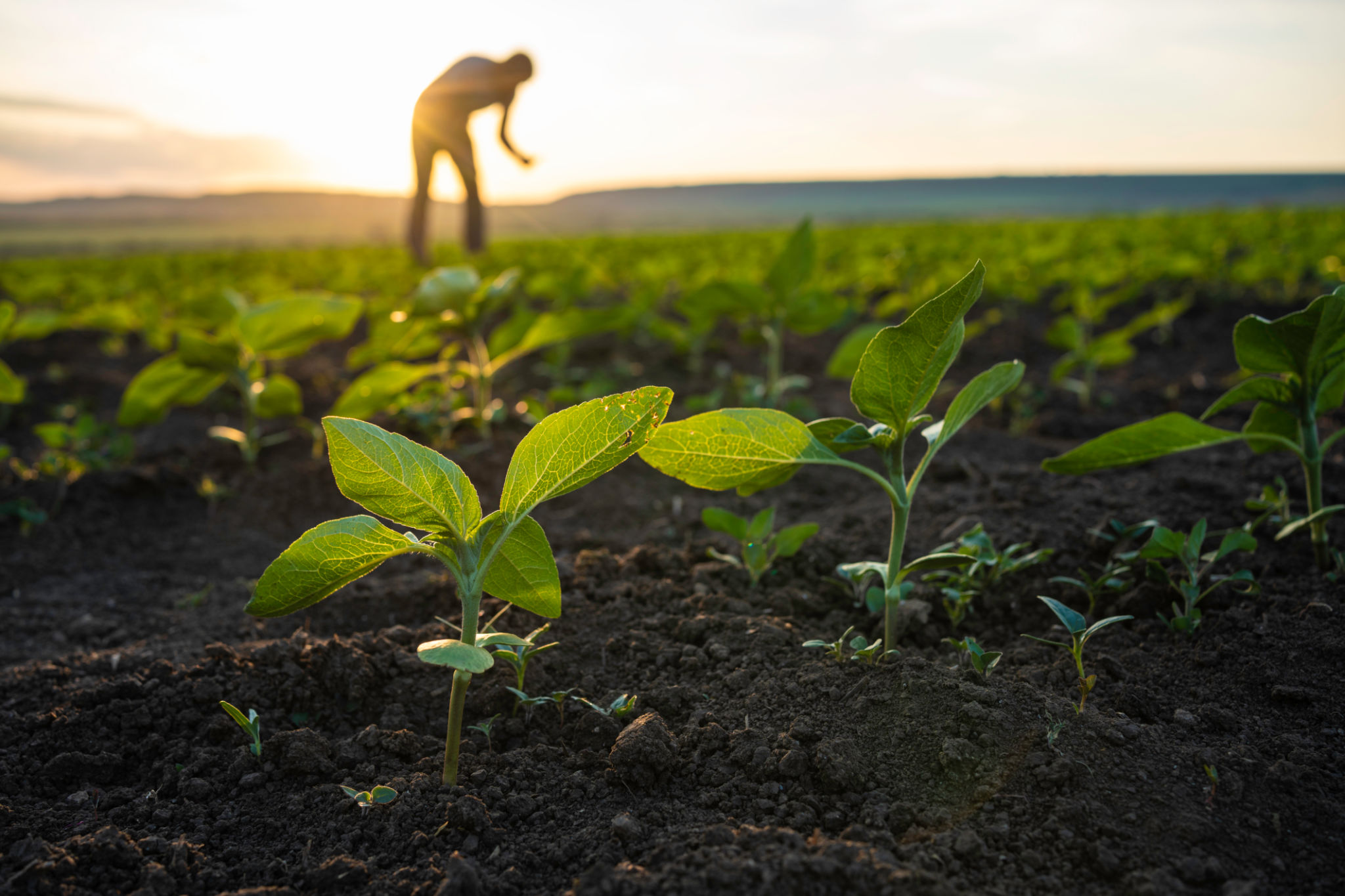
For example, many Indigenous communities practice rotational farming, which helps maintain soil fertility and biodiversity. By respecting natural cycles, these communities demonstrate how sustainable living can be achieved through traditional knowledge.
Cultural Celebrations and Artistic Expressions
Cultural celebrations and artistic expressions are vibrant aspects of Indigenous identity. Festivals, dances, and ceremonies are not only opportunities for communal gathering but also a means of expressing cultural narratives and beliefs. These events often incorporate traditional music, attire, and rituals, reflecting the community's unique heritage.
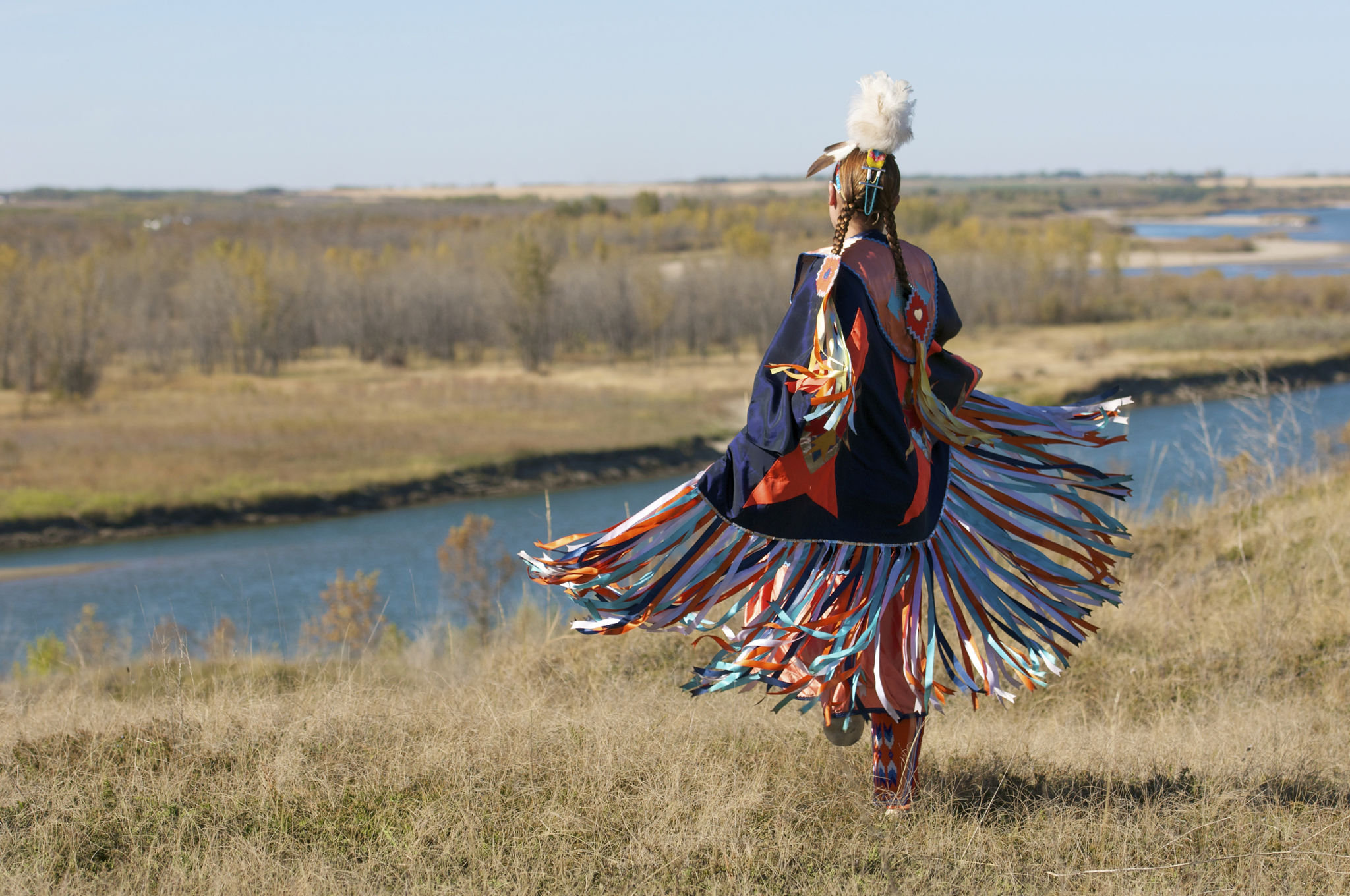
Artistic expressions, such as painting, weaving, and carving, serve as both creative outlets and cultural documentation. They tell stories of ancestry, spirituality, and the connection to the land. Supporting Indigenous artists and participating in cultural events can help preserve these rich traditions.
The Role of Education in Preservation Efforts
Education plays a pivotal role in preserving traditional Indigenous practices. Initiatives that incorporate Indigenous knowledge into educational curricula empower communities to maintain their cultural heritage. Such programs often involve collaboration between Indigenous leaders, educators, and policymakers.
Through education, both Indigenous and non-Indigenous people can learn about the importance of these practices, fostering a mutual respect and understanding that benefits all. Supporting educational efforts can ensure that future generations continue to appreciate and uphold their cultural identities.