
Seasonal Indigenous Traditions: Celebrating the Turn of the Seasons


Understanding Seasonal Indigenous Traditions
Indigenous cultures around the world have long celebrated the changing seasons, honoring the cycles of nature and the deep connection between humans and the earth. These celebrations are rich in tradition, offering insights into the values and beliefs of different communities. Understanding these traditions can provide a deeper appreciation for the rhythms of nature and the wisdom of ancient practices.
Many Indigenous peoples view the turn of the seasons as a time for reflection, gratitude, and renewal. These celebrations often involve ceremonies, rituals, and communal gatherings that emphasize the importance of community and the interconnectedness of all living things.

Spring: A Time of Renewal
Spring is often seen as a time of rebirth and renewal. For many Indigenous communities, this season represents new beginnings and the awakening of the earth after the long winter months. Ceremonies during this time might include planting rituals, songs, and dances that honor the return of life and growth.
In some cultures, spring is marked by specific festivals that celebrate the planting of crops. These events are not only about agriculture but also about expressing gratitude for the earth's bounty and seeking blessings for a fruitful harvest.

Summer: Celebrating Abundance
Summer is a time of abundance and celebration. It is often associated with the harvest of early crops and the gathering of communities for festivals and feasts. Indigenous peoples use this time to give thanks for the earth’s generosity and to share the bounty with others.
Many summer traditions include ceremonies and dances that celebrate the sun and its life-giving energy. These events are a vibrant expression of joy and gratitude, emphasizing the importance of living in harmony with the natural world.

Autumn: Honoring the Harvest
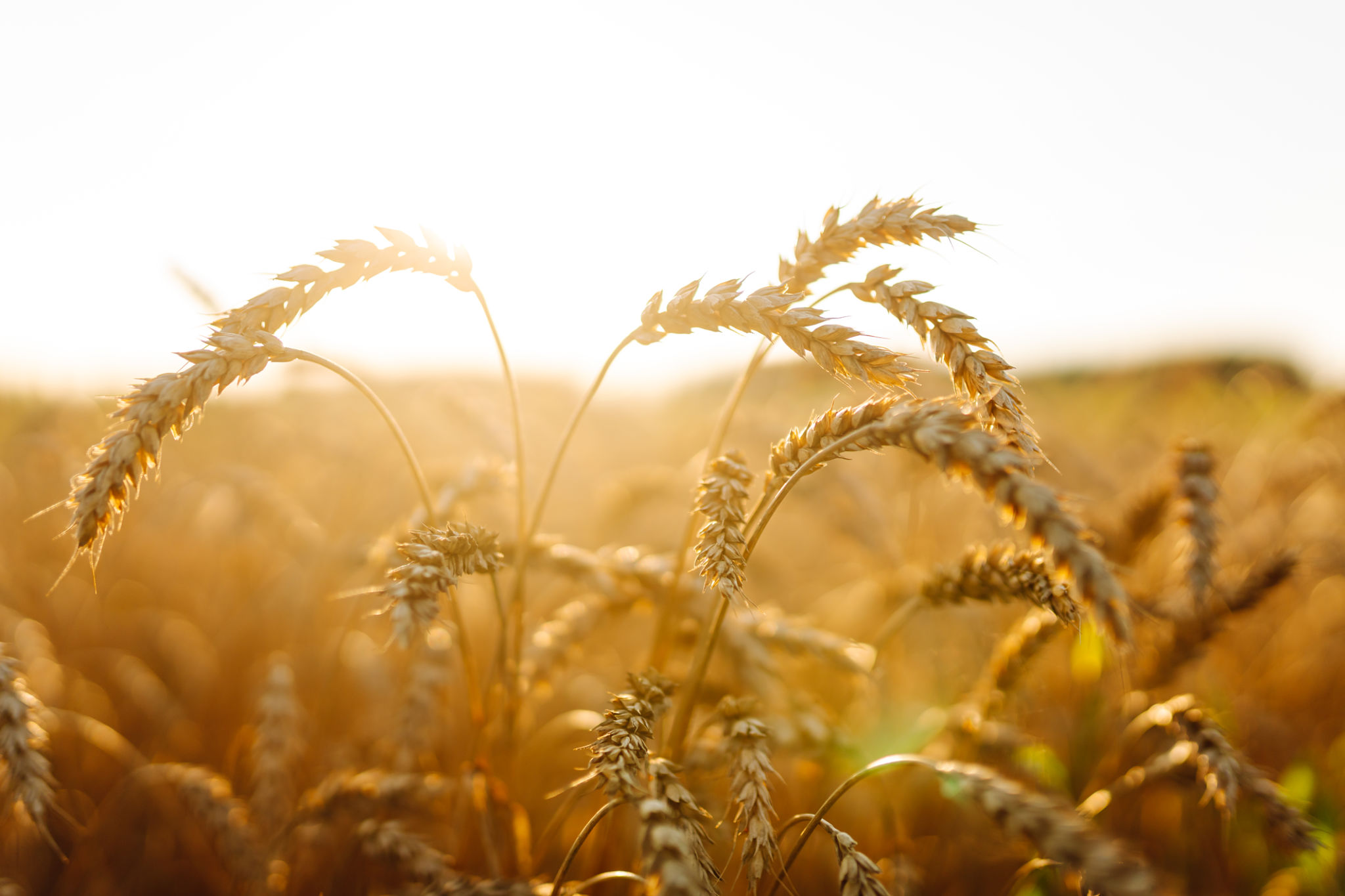
Autumn marks the end of the growing season and is typically a time to honor the harvest. This season is filled with rituals and ceremonies that express gratitude for the food that will sustain communities through the colder months.
Indigenous harvest festivals often include communal meals, storytelling, and the sharing of traditions and knowledge. These gatherings strengthen community bonds and pass down important cultural teachings to younger generations.
Winter: Reflection and Rest
Winter is a time for reflection, rest, and renewal. Many Indigenous traditions include ceremonies that honor the quiet and stillness of the season. It is a period for introspection and for strengthening connections with family and community.
During this time, storytelling becomes a central activity, as it is a way to preserve history and culture. Winter ceremonies often focus on the spiritual aspects of life, offering prayers and thanks for the guidance and protection of ancestors.

The Importance of Preserving Traditions
Preserving these seasonal traditions is crucial for maintaining cultural heritage and identity. As the world becomes more interconnected, there is a risk of losing these valuable practices. Efforts to document and revitalize Indigenous traditions are essential for ensuring that future generations can continue to celebrate and learn from their ancestors.
By recognizing and respecting these traditions, we can all gain a greater appreciation for the cycles of nature and the wisdom that Indigenous cultures have developed over centuries. Celebrating the turn of the seasons is a reminder of our place within the natural world and our responsibility to protect it for future generations.