
The Role of Indigenous Knowledge in Environmental Conservation


Understanding Indigenous Knowledge
Indigenous knowledge refers to the deep understanding and insights that native communities have developed over centuries about their local environments. This knowledge is often passed down through generations, encompassing traditions, practices, and cultural beliefs that are intricately tied to the land.
Unlike modern scientific approaches, indigenous knowledge is rooted in a holistic perspective, considering the interconnectedness of all living things. This makes it a powerful tool in addressing environmental challenges, as it integrates ecological, cultural, and spiritual dimensions of ecosystems.
Traditional Practices in Conservation
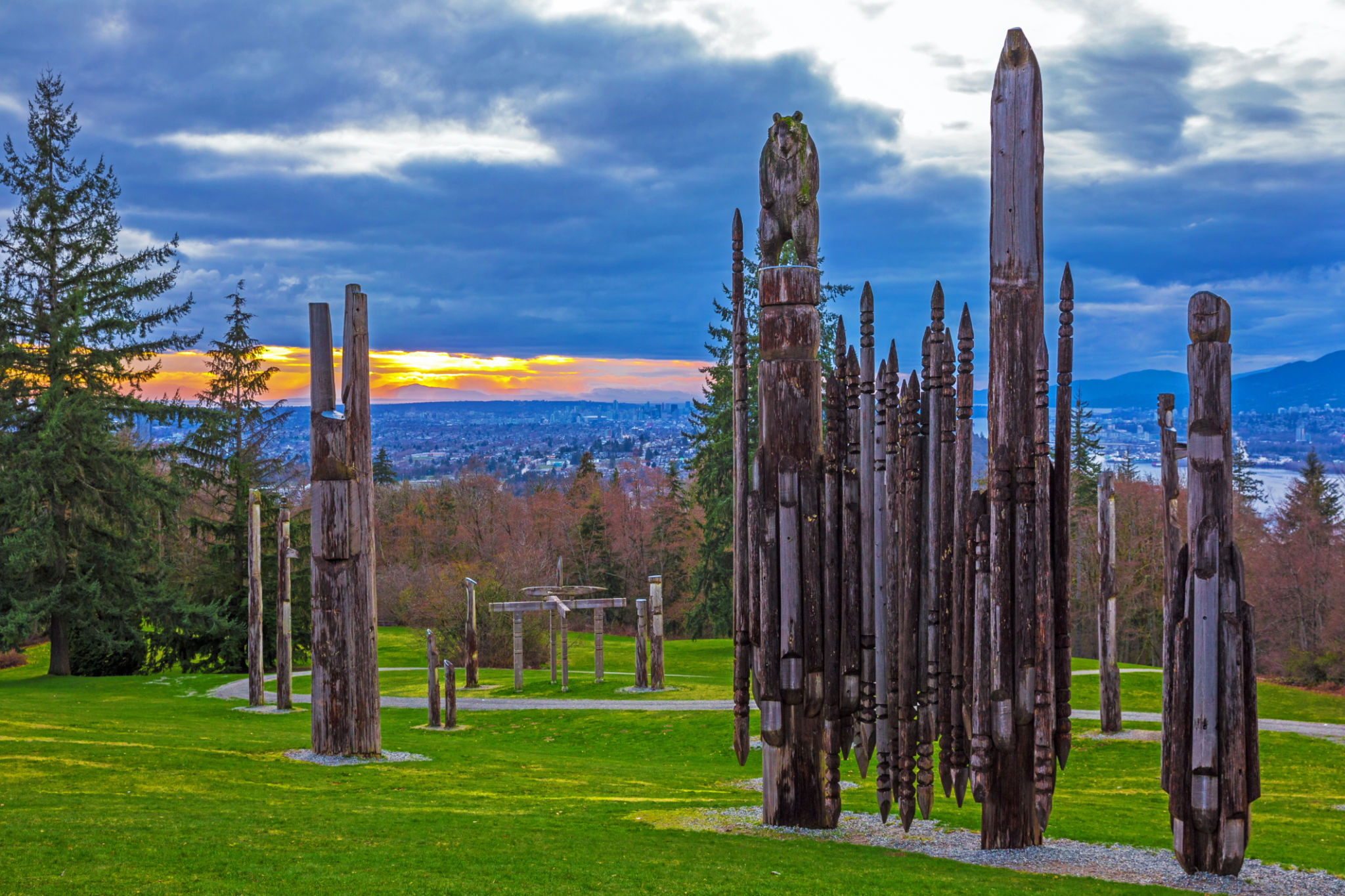
Indigenous communities have long practiced sustainable living, utilizing resources in a way that maintains ecological balance. These practices include rotational farming, controlled burning, and seasonal harvesting, which help to preserve biodiversity and promote soil health.
For instance, the use of controlled burning by Aboriginal Australians is a technique that prevents larger wildfires and encourages the growth of certain plant species. Such practices demonstrate a profound understanding of natural cycles and contribute significantly to conservation efforts.

Preservation of Biodiversity
Biodiversity is crucial for ecosystem resilience, and indigenous knowledge plays a vital role in its preservation. Indigenous communities often serve as stewards of biodiversity hotspots, employing traditional methods to protect and nurture a wide array of plant and animal species.
This stewardship is not only about conservation but also about sustaining livelihoods and cultural heritage. By maintaining diverse ecosystems, indigenous communities ensure the availability of resources necessary for their survival and cultural practices.

Challenges and Opportunities
Despite the significant contributions of indigenous knowledge to environmental conservation, there are challenges that these communities face. Land rights issues, loss of traditional territories, and climate change are among the threats that undermine their ability to protect and manage natural resources.
However, there are opportunities to integrate indigenous knowledge with modern scientific approaches. Collaborative efforts can lead to innovative conservation strategies that respect cultural heritage while addressing contemporary environmental issues.
Collaborative Conservation Efforts
Partnerships between indigenous communities, governments, and environmental organizations are essential for effective conservation. These collaborations can lead to the co-management of protected areas, ensuring that indigenous knowledge is incorporated into policy and practice.
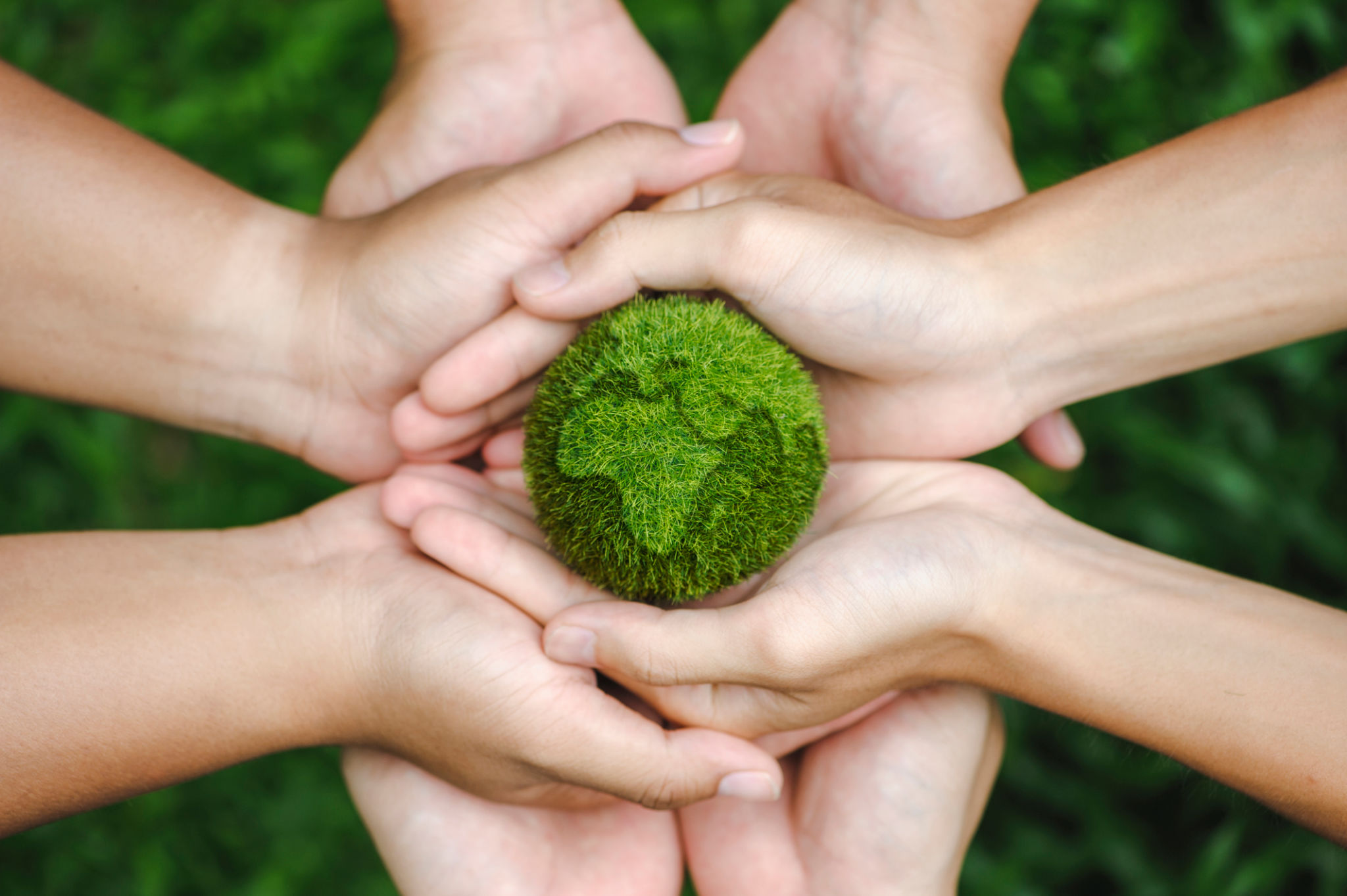
By valuing and integrating traditional ecological knowledge, we can create more comprehensive and sustainable conservation strategies that benefit both the environment and indigenous communities.
The Way Forward
Recognizing the importance of indigenous knowledge in environmental conservation is crucial for achieving sustainable development goals. It calls for a shift in how we perceive and value different forms of knowledge, moving towards a more inclusive and respectful approach.
As we face global environmental challenges, the wisdom of indigenous communities offers invaluable insights and solutions. By learning from and collaborating with these communities, we can foster a more harmonious relationship with nature and ensure a sustainable future for all.