
Traditional Indigenous Practices for Sustainable Living


Introduction to Traditional Indigenous Practices
Traditional Indigenous practices have long been celebrated for their deep connection to the environment and sustainable living. These practices, passed down through generations, offer valuable insights into how communities can live in harmony with nature. By understanding and integrating these methods, we can forge a path toward a more sustainable future.

Respect for Natural Resources
One fundamental principle of Indigenous practices is the profound respect for natural resources. Indigenous communities often follow a philosophy of using only what is needed and ensuring that resources are replenished. This approach prevents over-exploitation and promotes the sustainability of ecosystems.
This respect extends to all elements of nature, including plants, animals, and water sources. By acknowledging the interconnectedness of life, Indigenous communities maintain a balance that benefits both the environment and their way of life.
Traditional Agriculture Techniques
Indigenous agricultural practices are renowned for their sustainability. Techniques such as crop rotation, polyculture, and the use of natural fertilizers contribute to maintaining soil fertility and preventing erosion. These methods not only enhance productivity but also support biodiversity by creating habitats for various species.
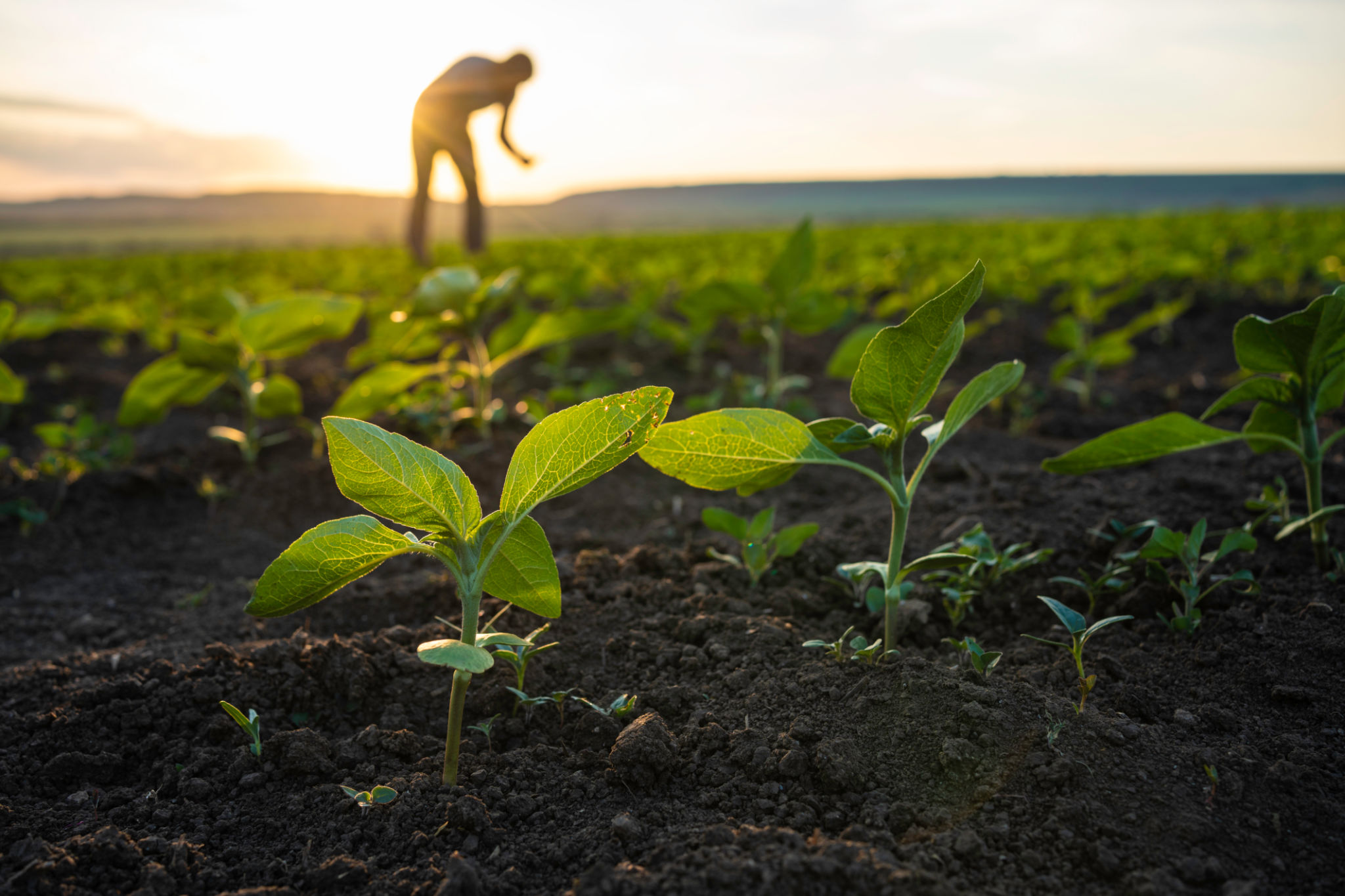
Another noteworthy practice is the use of indigenous plants that are well-suited to local climates and conditions. These plants require less water and fewer chemical inputs, making them more sustainable choices for agriculture.
Community-Based Resource Management
Many Indigenous communities utilize community-based resource management systems. These systems involve collective decision-making and local stewardship of natural resources. By involving the community, these practices ensure that resources are used wisely and sustainably.
- Community monitoring of resource use.
- Shared responsibilities for conservation efforts.
- Knowledge exchange among community members.

Preservation of Traditional Knowledge
The preservation of traditional knowledge is crucial for sustainable living. Indigenous communities often pass down their wisdom through oral traditions, stories, and rituals. This knowledge encompasses a wide range of topics, from medicinal plants to weather patterns, and serves as a vital resource for environmental stewardship.
Efforts to document and share this knowledge with broader audiences can help integrate traditional practices into modern sustainability efforts. By valuing and preserving this wisdom, we can learn to live more in tune with the natural world.
Conclusion: A Path Forward
Incorporating traditional Indigenous practices into modern sustainability strategies offers a promising path forward. By embracing these time-tested methods, we can work towards a more balanced and harmonious relationship with our environment. As we face global challenges such as climate change and resource depletion, these practices provide invaluable lessons in resilience and sustainability.
Ultimately, the integration of Indigenous wisdom with contemporary approaches could lead to innovative solutions that benefit both people and the planet.